Address
Room 205, Building A Poly Culture Plaza, Zhengzhou
Work Hours
Monday to Friday: 7AM - 7PM
Weekend: 10AM - 5PM

Cold room storage is essential for businesses that need to preserve perishable goods like food, pharmaceuticals, and other temperature-sensitive products. Whether you’re looking for a commercial cold storage room, small cold room, or even a portable cold room, selecting the right solution requires careful consideration of multiple factors.
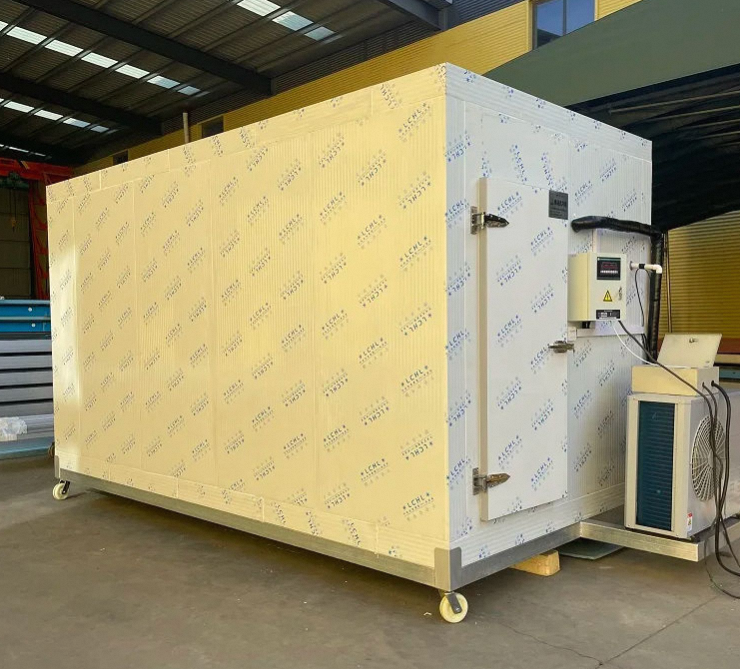
This comprehensive guide will help you navigate the complex decision-making process involved in choosing the ideal cold room storage solution for your specific business needs.
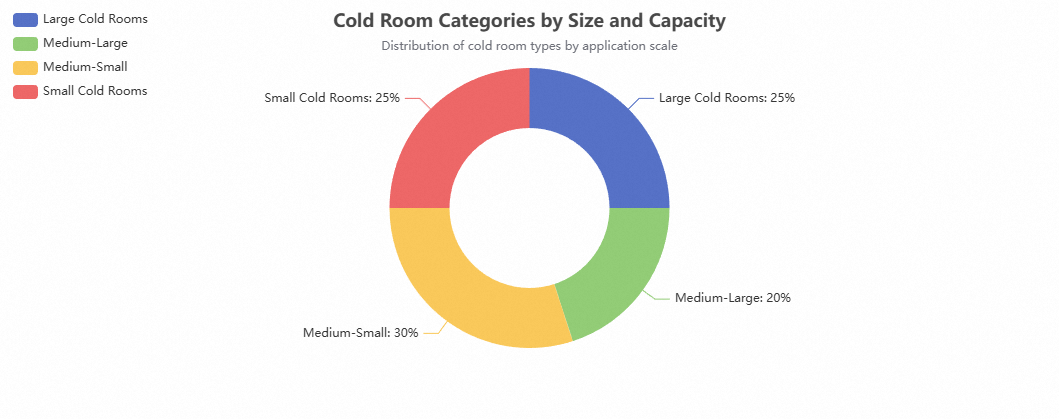
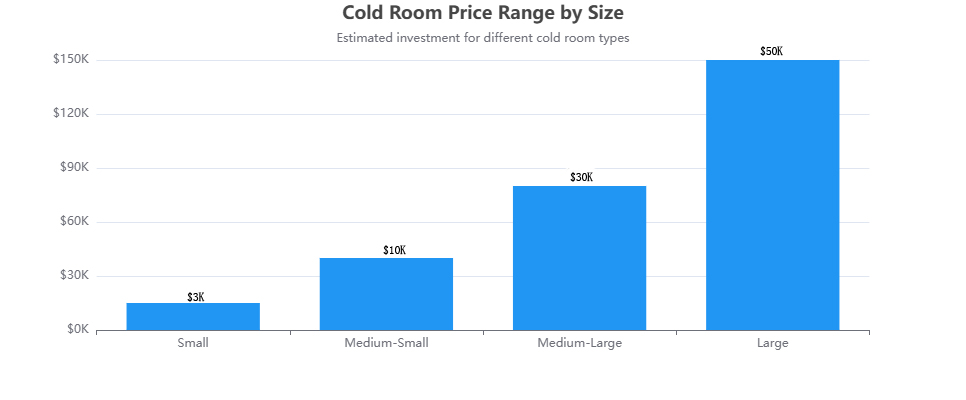
When selecting your cold room storage system, it’s important to understand the various categories available:
· Large Cold Storage Rooms: With capacity exceeding 10,000 tons, these are ideal for major distribution centers and large-scale operations requiring substantial cold storage room solutions.
· Medium-Large Cold Rooms: These fall between large and small sizes, offering flexibility for growing businesses that need more capacity than smaller units but not as much as industrial-sized facilities.
· Medium-Small Cold Rooms: Perfect for medium-scale enterprises that require reliable cold room refrigeration unit solutions without the overhead of larger installations.
Small Cold Rooms: Compact small cold room options are perfect for restaurants, small retailers, and specialized applications where space is limited.
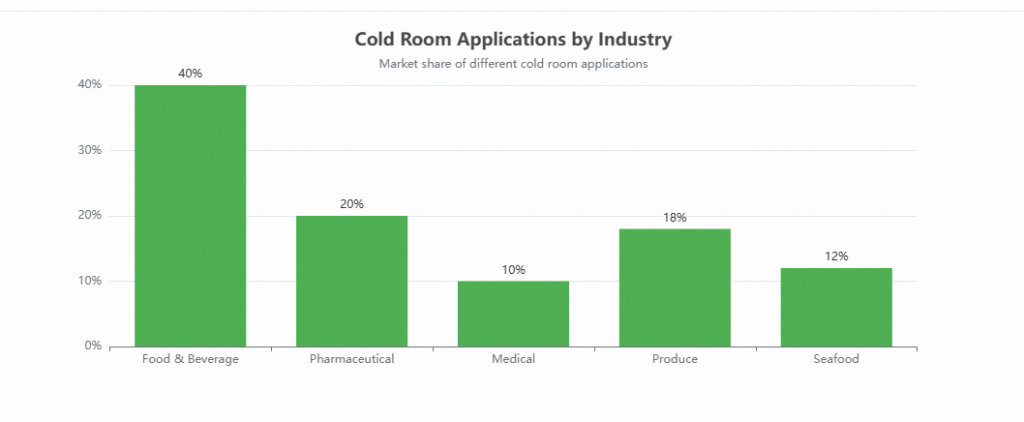
Different products require specific environmental conditions:
·Cold Storage Room for Meat: Designed specifically for storing meat products, these units maintain precise temperature and humidity levels to ensure quality preservation. Specialized chambers may include carcass chilling rooms, deboning areas, and shock freezing sections.
· Pharmaceutical Cold Rooms: These critical cold room storage units maintain strict temperature controls (typically 2°C to 8°C) required for storing medicines, vaccines, and other sensitive medical supplies.
·Blood Cold Rooms: Hospital blood bank facilities use specialized units that maintain exacting standards for safe blood product storage.
·Fruit and Vegetable Cold Rooms: Optimized for produce storage, these cold room refrigeration unit systems manage both temperature and humidity to extend shelf life while maintaining freshness.
·Seafood Cold Rooms: Designed specifically for storing fish and other seafood products, these units typically operate at lower temperatures to prevent bacterial growth.
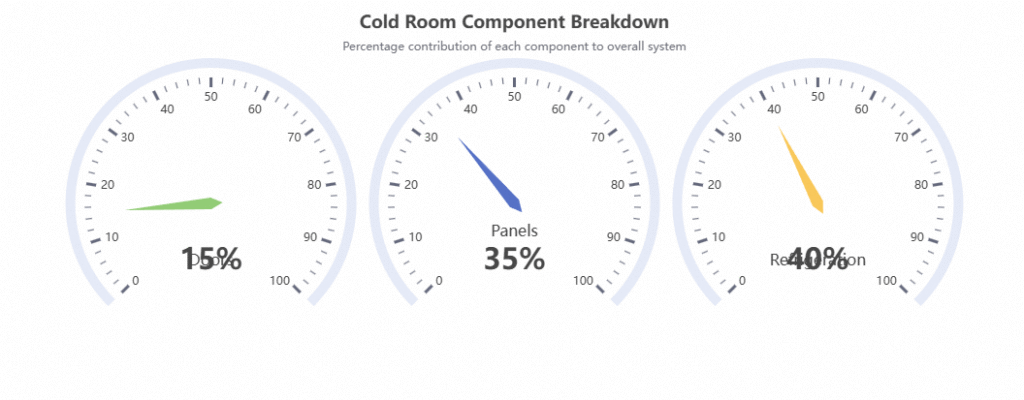
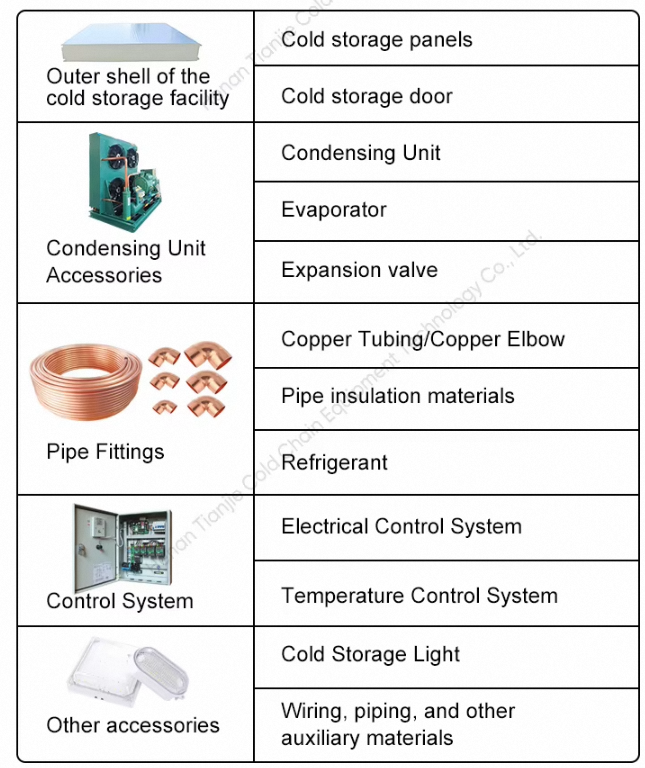
Every effective cold room consists of several critical components:
High-quality cold room panel construction is fundamental to efficient operation. These polyurethane sandwich panels provide superior insulation with thicknesses ranging from 50mm to 200mm depending on temperature requirements. Premium panels feature galvanized steel or stainless steel facings and low thermal conductivity (≤0.023–0.024 W/m·K) to minimize heat transfer.
The cold room door serves as the primary barrier between controlled and ambient environments. Available in hinged, sliding, monorail, or flip-flap configurations, these insulated doors ensure airtight sealing, dimensional stability, and impact resistance. Many units also feature cold room door lock mechanisms for security and safety compliance.
The heart of any cold room refrigeration unit includes:
·Cold Room Evaporator: Absorbs heat from within the storage area
·Cold Room Compressor Unit: Controls the entire refrigeration cycle
Modern cold room storage systems incorporate sophisticated control mechanisms that monitor and regulate temperature, humidity, defrost cycles, and ener-gy consumption.
Determine your specific temperature range needs. Different products require different storage conditions:
·Chiller rooms: +2°C to +8°C
·Freezer rooms: -15°C to -25°C
·Blast freezer rooms: -30°C to -40°C
Consider your facility layout when planning cold room storage installation. Measure available space carefully and account for maintenance access around the unit. Ensure adequate ceiling height for proper air circulation and equipment access.
Calculate your storage volume requirements based on current inventory and future growth projections. Remember that small cold room solutions might be expandable through modular designs.
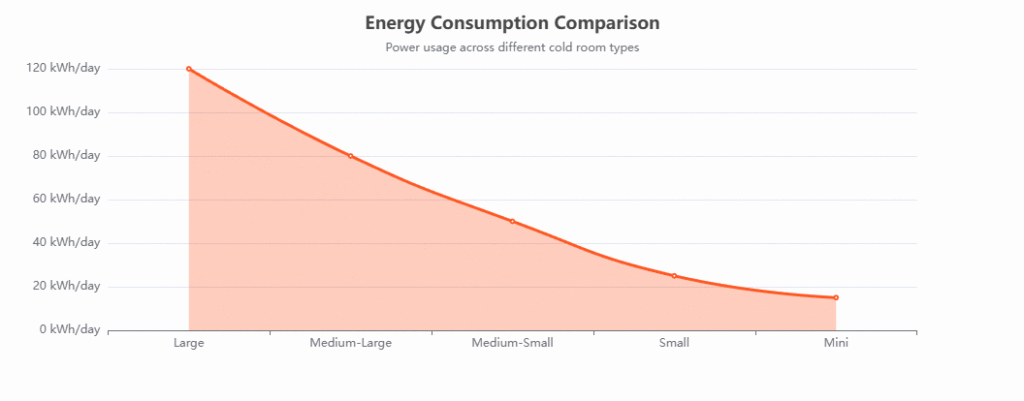
Choose systems with high-efficiency compressors, premium insulation materials, automatic door closing mechanisms, and LED lighting to minimize operating costs.
Select a location with adequate ventilation, proper electrical service, and minimal exposure to direct sunlight. Consider proximity to loading docks and workflow patterns.
For businesses requiring flexibility, mobile cold storage room and portable cold room options offer valuable alternatives:
·Mini Cold Room units work well for temporary events, seasonal demands, or emergency backup
·Mobile refrigerated containers come in standard sizes (20ft and 40ft) for rapid deployment
·Modular systems allow for reconfiguration and relocation as business needs change
Ensure your facility can accommodate the electrical requirements of your chosen cold room compressor unit. Options include single-phase (110V/220V) for smaller units and three-phase (380V/480V) for larger commercial systems.
Cold room price varies significantly based on size, features, and specifications. While initial investment is important, consider total cost of ownership including installation, energy consumption, and maintenance over the system’s lifespan.
Selecting the right cold room storage solution involves careful evaluation of your specific application needs, space constraints, budget considerations, and long-term growth plans. Whether you need a commercial cold storage room for large-scale operations or a small cold room for specialized applications, choosing quality components and professional installation ensures optimal performance and longevity.
For specialized applications like cold storage room for meat or pharmaceutical storage, consult with experts who understand industry-specific requirements. Consider whether mobile cold storage room or portable cold room solutions better meet your operational flexibility needs.
Investing time in proper research and selection will result in a cold room refrigeration unit that delivers reliable performance, energy efficiency, and optimal return on investment for years to come.